
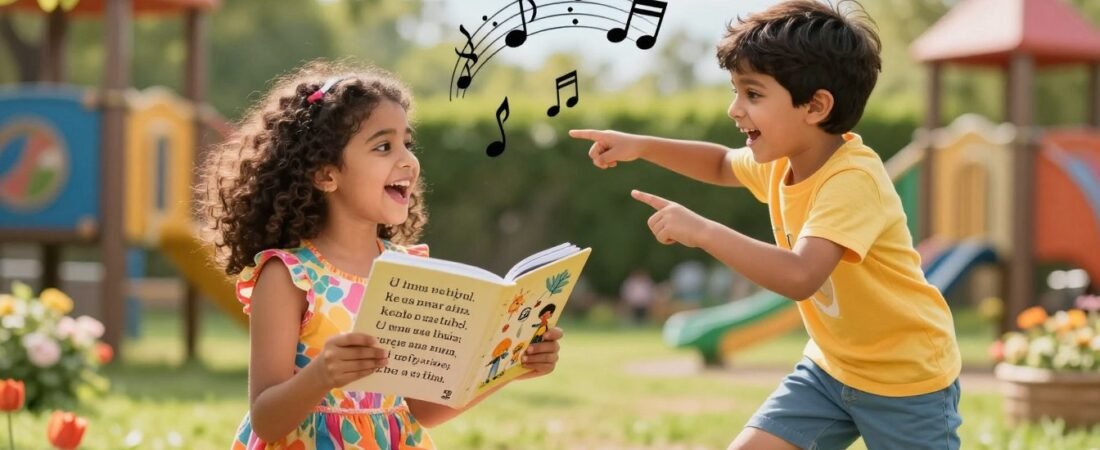
Have you ever wondered if the secret to unlocking your toddler’s potential lies in the simple power of a melody? Many parents search for ways to make early education feel like play rather than a chore.
Kids Rhyme with Ginni & Ishu offers a vibrant solution for families across the United States. These characters transform daily routines into moments of discovery through catchy tunes and movement.
By integrating fun learning activities into your home, you provide a strong foundation for cognitive growth. Our guide explores how rhythmic content helps children develop language skills and emotional intelligence in an accessible way.
Key Takeaways
- Music acts as a powerful tool for early childhood brain development.
- Interactive songs help toddlers improve their memory and focus.
- Movement-based play encourages physical coordination alongside mental growth.
- Parents can easily integrate these melodies into daily routines like bath time or cleanup.
- High-quality rhythmic content makes education feel like an entertaining adventure.
The Magic of Musical Learning for Toddlers
Have you ever wondered why your toddler lights up the moment a familiar melody begins to play? Beyond the joy of singing along, musical learning for kids acts as a secret key that unlocks various areas of the brain. It is a delightful way to foster growth while creating lasting memories together.
Why Music Matters in Early Development
Engaging with educational songs for toddlers is far more than a simple pastime. These melodies help build essential neural pathways that support early childhood development. When children listen to music, they are actively processing patterns, sounds, and language structures.
This auditory stimulation is vital for reaching key child development milestones. By incorporating music into your home, you provide a rich environment that encourages:
- Improved listening skills and auditory discrimination.
- Enhanced emotional regulation through soothing melodies.
- Stronger social connections during shared singing sessions.
The Role of Rhythm in Cognitive Growth
The connection between rhythm and movement is a cornerstone of effective toddler music education. When children move to a beat, they are practicing coordination and spatial awareness. This physical engagement helps solidify their understanding of timing and sequence.
Consistent exposure to rhythm and movement also sharpens a child’s ability to focus. As they anticipate the next note or beat, they are training their brains to pay attention and recall information. Using educational songs for toddlers creates a structured yet fun framework that makes early childhood development feel like a natural, joyful part of the day.
Exploring the World of Kids Rhyme with Ginni & Ishu
At the heart of our musical journey lie two special friends who make every lesson feel like a grand adventure. Through the Kids Rhyme with Ginni & Ishu series, children across the United States find a safe space to explore, sing, and grow. These characters serve as friendly guides, turning simple melodies into meaningful life lessons.
Meet the Characters: Ginni and Ishu
Ginni and Ishu are designed to be more than just animated figures; they are relatable companions for your little ones. Ginni is known for her boundless curiosity and infectious energy, often leading the way in new discoveries. Ishu brings a calm, thoughtful presence that helps children feel secure while they navigate new concepts.
Their distinct personalities ensure that every child finds a trait they can connect with during their daily screen time. Whether it is Ginni’s excitement for a new song or Ishu’s gentle encouragement, these characters foster a sense of friendship. This bond is what makes interactive nursery rhymes so effective for early childhood development.
| Character | Primary Trait | Learning Impact |
|---|---|---|
| Ginni | High Energy | Encourages active participation |
| Ishu | Calm Focus | Promotes patience and listening |
| Combined | Balanced Harmony | Supports holistic growth |
The Philosophy Behind the Content
The core vision behind this project is to provide a positive and safe environment for every young learner. We believe that content should do more than entertain; it should nurture the mind and spirit. Every episode is crafted to ensure that the educational value remains at the forefront of the experience.
By prioritizing kindness and inclusivity, we ensure that our interactive nursery rhymes resonate with families from all walks of life. Parents can trust that the Kids Rhyme with Ginni & Ishu brand remains committed to high standards of quality. We invite you to join us in this mission to make early learning a joyful, shared experience for your family.
Top Educational Songs for Early Childhood Development
Early childhood development is significantly enhanced when children engage with rhythmic, educational content. By using music as a teaching tool, parents can help their little ones reach key child development milestones in a way that feels like play rather than work.
The right educational songs for toddlers create a bridge between entertainment and cognitive growth. These carefully selected tracks turn everyday moments into opportunities for learning and discovery.
Counting and Number Rhymes
Counting songs provide a strong mathematical foundation by introducing numerical order through repetition. When children sing along, they begin to recognize patterns and sequences that are essential for early math skills.
These rhymes often use visual cues to help children associate numbers with quantities. This active engagement is a vital step in meeting child development milestones related to logic and problem-solving.
Alphabet and Phonics Songs
Language acquisition thrives when children are exposed to the sounds of letters in a musical context. Using phonics for preschoolers through song helps them connect letter shapes to their corresponding sounds.
This method makes the complex process of reading readiness feel natural and accessible. By focusing on phonics for preschoolers, you are giving your child a head start in literacy and communication skills.
Songs About Daily Habits and Hygiene
Music is an excellent way to help children internalize healthy routines like brushing teeth or washing hands. Catchy, repetitive lyrics turn these chores into fun, anticipated parts of the day.
When a song accompanies a task, it reduces resistance and builds independence. These educational songs for toddlers serve as gentle reminders that guide children through their daily hygiene habits with ease and joy.
Creative Movement Activities to Pair with Rhymes
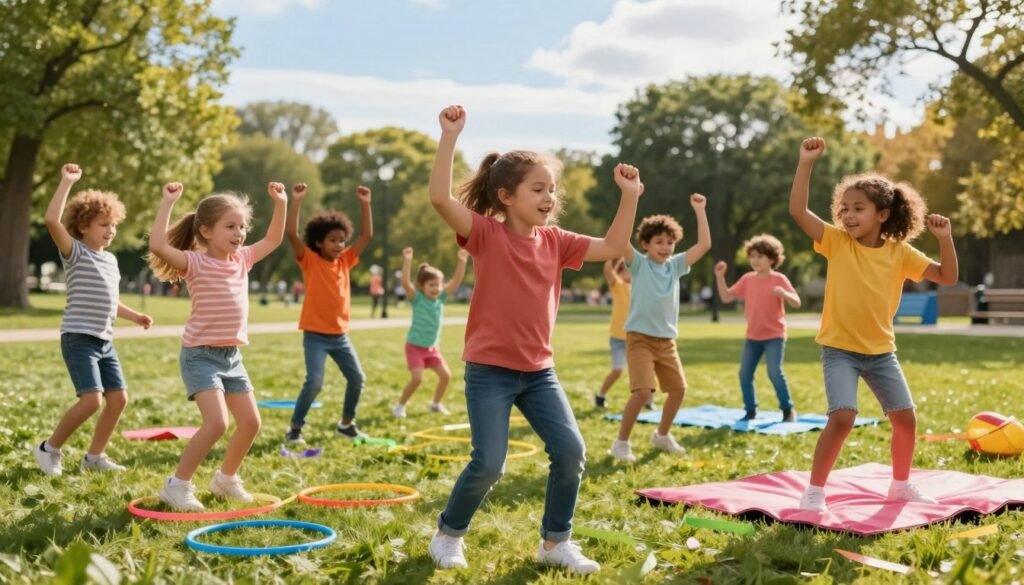
Creative movement for children turns simple listening into a full-body learning experience. When kids engage their muscles while singing, they build a stronger connection between their brains and their bodies. This approach makes every session a series of fun learning activities that support healthy growth.
Action Songs for Gross Motor Skills
Action songs are perfect for developing large muscle groups. By jumping, stretching, and reaching, toddlers learn to coordinate their movements with the tempo of the music. Gross motor skills improve significantly when children practice these rhythmic motions regularly.
Encourage your little ones to mimic the movements of animals or characters found in their favorite songs. This practice helps them gain spatial awareness and physical confidence. It is a wonderful way to turn screen time into an active, healthy habit.
Finger Plays for Fine Motor Development
Fine motor skills are just as important as large muscle movements. Finger plays focus on the small muscles in the hands and wrists, which are essential for tasks like writing and buttoning clothes later in life. These delicate movements require focus and precision.
You can use simple rhymes that involve wiggling fingers or tapping palms together. These activities are excellent for building dexterity while keeping the child entertained. Consistent practice helps children gain better control over their hand movements.
Dance-Along Challenges for Energy Release
Sometimes, children just need to let out some steam. Dance-along challenges provide a structured way to use rhythm and movement to release pent-up energy. These challenges keep kids engaged and happy while they burn off excess excitement.
| Activity Type | Primary Benefit | Skill Level |
|---|---|---|
| Action Songs | Gross Motor Coordination | Beginner |
| Finger Plays | Fine Motor Dexterity | Intermediate |
| Dance Challenges | Energy Release & Rhythm | Advanced |
By incorporating these diverse movement styles, you ensure that your child receives a well-rounded physical education. Whether they are dancing to a fast-paced tune or carefully moving their fingers to a slow melody, they are learning valuable skills. Consistency is key to seeing long-term progress in their physical development.
Incorporating Ginni & Ishu into Daily Routines
Bringing Ginni & Ishu into your daily routine helps create a structured yet joyful environment for your toddler. Integrating music into the home environment is a key aspect of successful toddler music education. By using consistent melodies, you provide your child with a sense of security and predictability throughout their busy day.
Morning Songs to Start the Day
Starting the morning with a cheerful tune can shift the entire mood of your household. When you play upbeat daily routine songs, you help your child wake up with a sense of excitement and positivity. This simple habit turns the sometimes-rushed morning routine into a bonding experience that prepares your little one for the day ahead.
“Music is the shorthand of emotion, and for a child, it is the language of a happy morning.”
Transition Rhymes for Smooth Changes
Transitions are often the most challenging parts of a toddler’s day. Whether you are moving from playtime to mealtime or heading out the door, using specific rhymes can make these shifts feel much smoother. These rhythmic cues act as a gentle signal, helping your child understand that one activity is ending and another is beginning.
By relying on familiar tunes, you reduce resistance and encourage cooperation. This approach to toddler music education turns potential power struggles into cooperative moments that feel like a game rather than a chore.
Bedtime Lullabies and Calming Melodies
As the day winds down, the focus should shift toward relaxation and rest. Incorporating soft, calming melodies helps signal to your child that it is time to settle into a quiet state. These soothing bedtime rituals are essential for helping young children transition from the high energy of the day to a peaceful night of sleep.
Consistent use of these daily routine songs creates a comforting atmosphere that your child will come to associate with safety and love. Over time, these melodies become a powerful tool for emotional regulation and healthy sleep habits.
Arts and Crafts Inspired by Favorite Rhymes
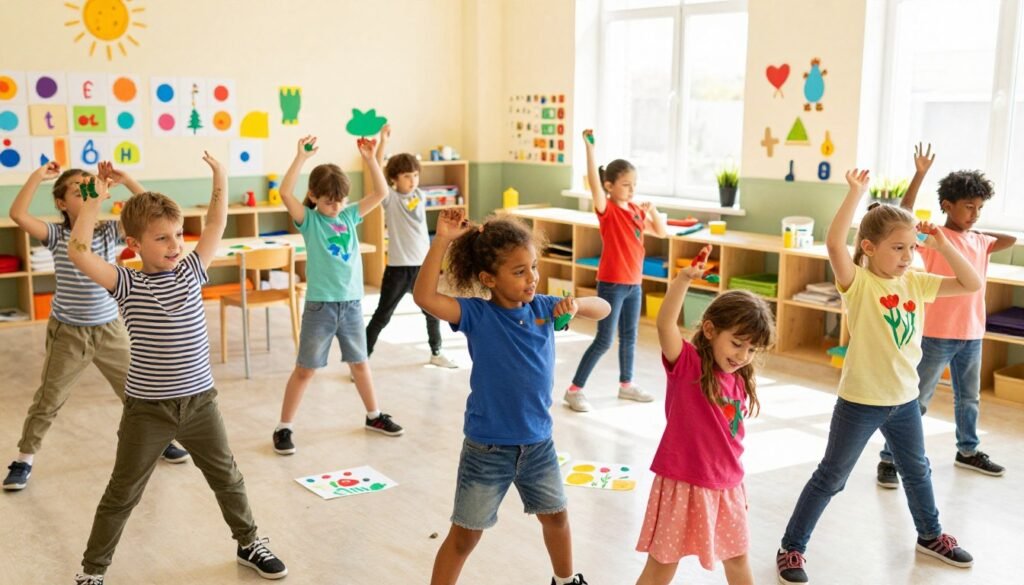
You can transform your living room into a creative studio by pairing your favorite rhymes with fun arts and crafts. These activities bridge the gap between auditory learning and tactile exploration, helping kids engage with music on a deeper level. By making things with their hands, children develop a stronger connection to the stories and melodies they hear every day.
Creating Character Puppets
Making simple puppets of Ginni and Ishu allows your little ones to act out their favorite songs. Using paper bags, craft sticks, or felt, you can build characters that dance along to the music. This process is a wonderful way to encourage creative movement for children as they bring their puppets to life during performances.
Watching your child interact with their handmade puppets builds confidence and storytelling skills. When they move the puppets to the beat, they are physically internalizing the rhythm of the song. This active participation makes the musical experience much more memorable and fun.
Themed Coloring and Drawing Projects
Coloring pages that feature scenes from popular rhymes help reinforce the themes found in the lyrics. You might ask your child to draw what they imagine when they hear a specific song about nature or daily habits. This artistic expression helps them process the meaning behind the words in a visual way.
These projects are perfect for quiet time after a high-energy dance session. By focusing on the details of the characters, children improve their fine motor skills while reflecting on the lessons taught in the music. It is a calming and productive way to wrap up a musical lesson.
DIY Musical Instruments from Household Items
You do not need expensive gear to explore the world of sound. Try making shakers from empty plastic bottles filled with dried beans or drums from sturdy cardboard boxes. These DIY instruments allow children to experiment with volume, tempo, and rhythm in a hands-on, imaginative way.
Building these tools is just as exciting as playing them. Once the instruments are ready, you can host a family jam session to support creative movement for children throughout the house. This simple activity turns every song into a full-body experience that celebrates the joy of making music together.
Building Language Skills Through Repetitive Songs
Repetitive songs are more than just entertainment; they are essential tools for building a child’s vocabulary. By engaging with interactive nursery rhymes, children naturally absorb new words and phrases through consistent exposure. This process turns simple listening into an active learning experience that strengthens their linguistic foundation.
The Power of Repetition in Vocabulary Building
When a song repeats the same lyrics, it provides a predictable structure that helps children memorize language patterns. This repetition acts as a memory anchor, allowing toddlers to predict what comes next in a verse. As they become familiar with these patterns, they gain the confidence to join in and sing along.
These language development activities are designed to make learning feel like play. By hearing the same words in different contexts, children begin to understand the meaning behind the sounds. This consistent reinforcement is vital for expanding their expressive vocabulary over time.
Encouraging Speech Through Call-and-Response
Call-and-response techniques invite children to participate actively rather than just listening passively. When a parent sings a line and pauses for the child to finish, it creates a meaningful dialogue. This interaction encourages children to practice their speech in a safe and supportive environment.
Many daily routine songs utilize this method to help children transition between activities. By prompting them to fill in the blanks, you are helping them develop the rhythm of conversation. This simple back-and-forth interaction is a powerful way to boost their verbal engagement.
Improving Pronunciation with Rhyming Patterns
Rhyming patterns play a crucial role in helping children master the sounds of their language. By focusing on the end sounds of words, children learn to distinguish between similar phonemes. This is a foundational step for phonics for preschoolers as they prepare for early reading skills.
Clear articulation is often improved when children mimic the rhyming sounds found in their favorite tracks. As they repeat these rhymes, they naturally refine their pronunciation and gain better control over their speech. This rhythmic practice makes the complex task of learning language feel effortless and fun.
Social-Emotional Benefits of Singing Together
Beyond the catchy melodies, music serves as a bridge for deep emotional connections between parents and children. When families engage in bonding through music, they create a safe environment where children feel seen, heard, and valued. This shared experience transforms simple playtime into a meaningful ritual that supports healthy development.
Bonding Through Shared Musical Experiences
Singing together allows parents and children to synchronize their movements and emotions. This rhythmic alignment helps children feel secure and comforted during their daily routines. Shared musical moments act as a foundation for trust, making it easier for little ones to express their needs and feelings.
“Music expresses that which cannot be said and on which it is impossible to be silent.”
Victor Hugo
Teaching Empathy and Kindness Through Lyrics
Many songs feature stories about characters who help others or share their toys. By listening to these narratives, children learn to identify emotions in themselves and their peers. This process is essential for developing empathy, as it encourages kids to consider how others might feel in different situations.
Parents can use these lyrics to spark conversations about kindness. Discussing why a character felt sad or happy helps children navigate their own complex social interactions with greater ease.
Building Confidence Through Performance
Even a small, informal performance in the living room can do wonders for a child’s self-esteem. When children sing along with Ginni and Ishu, they practice their vocal skills and gain comfort in expressing themselves. These language development activities are vital for preparing children for future social engagements.
Participating in these musical moments helps children overcome shyness and build the courage to share their voices. Consistent practice in a supportive home setting ensures that they feel ready to participate in group settings, such as school or playdates. Engaging in these language development activities consistently fosters a sense of pride and accomplishment in every child.
Tips for Parents to Enhance the Musical Experience
Bringing the joy of Kids Rhyme with Ginni & Ishu into your daily life requires more than just pressing play on a screen. By intentionally shaping your home environment, you can turn simple listening sessions into profound opportunities for growth. These parenting tips for music are designed to help you foster a deeper connection with your child through every melody.
Creating a Dedicated Music Space
Designating a specific area for musical exploration encourages children to express themselves freely. You do not need a large room; a simple corner with a soft rug and a basket of DIY instruments works wonders. This space becomes a sanctuary where musical learning for kids happens naturally through movement and play.
Keep items like shakers, drums, or scarves within easy reach to inspire spontaneous dance sessions. When children have a physical place to go, they are more likely to engage with the rhythm and beats of their favorite songs.
Engaging with Interactive Video Content
Mindful screen time can be a powerful tool when parents participate alongside their children. Instead of using videos as a distraction, treat them as a shared activity that invites movement and vocal participation. When you sing along with Kids Rhyme with Ginni & Ishu, you model enthusiasm and help your child feel more confident in their own voice.
“Music is the shorthand of emotion, and when we share it with our children, we build a bridge of understanding that lasts a lifetime.”
Try to pause the video occasionally to ask questions or mimic the actions shown on screen. This interaction transforms passive viewing into an active, bonding through music experience that strengthens your relationship.
Extending the Learning Beyond the Screen
The magic of a song should not end when the video stops. You can reinforce the concepts learned by incorporating lyrics into your daily chores or car rides. If a song focuses on counting or hygiene, use those same melodies while brushing teeth or tidying up toys.
This consistent reinforcement helps solidify new vocabulary and concepts in a fun, low-pressure way. By weaving Kids Rhyme with Ginni & Ishu into your everyday routines, you ensure that bonding through music remains a central part of your family life. These simple parenting tips for music will help you create lasting memories while supporting your child’s developmental journey.
Conclusion
Bringing music into your home creates a vibrant space for growth and discovery. Kids Rhyme with Ginni & Ishu offers a wonderful foundation for this creative exploration.
Applying these parenting tips for music helps you turn simple daily moments into lasting memories. You provide your children with the tools to express themselves through rhythm and melody.
Consistency remains the secret to success in this musical adventure. Your active participation makes every song more meaningful for your little ones.
Explore new melodies and share the joy of singing together every single day. These parenting tips for music serve as a guide to building a stronger bond with your child through the power of sound.
Start your journey with Ginni and Ishu right now. Watch your child bloom as they embrace the magic of music in their own unique way.