
Do you remember the gentle comfort of a parent’s voice reading to you at bedtime? Those quiet moments create a lasting bond that shapes how we see the world. As parents, we want to provide that same warmth while helping our little ones grow and learn.
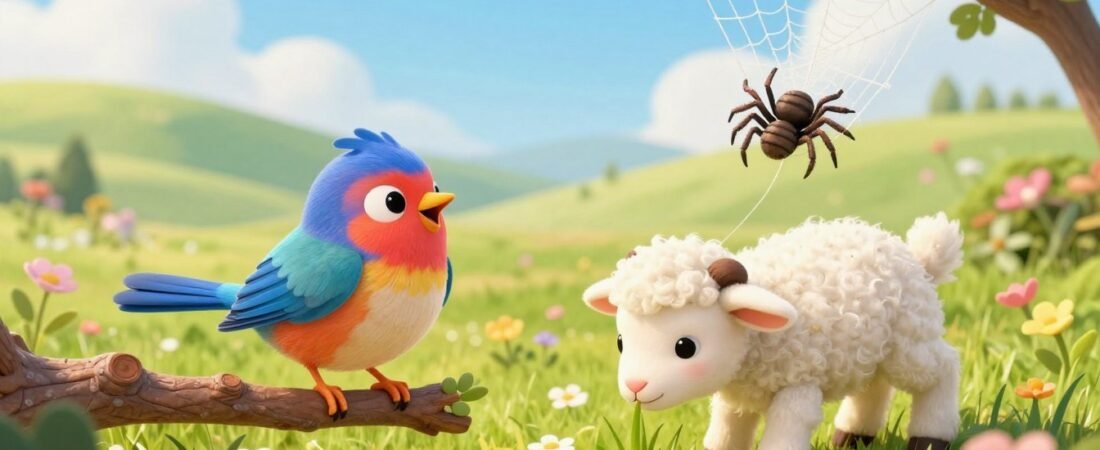
Finding the Best Kids Stories & Nursery Rhymes | Bird, Lamb & Itsy Bitsy Spider can feel like a journey through a vast digital forest. These classic tales offer more than just entertainment; they provide the foundational building blocks for language and emotional intelligence.
Our guide is designed to help you navigate these timeless resources with ease. We focus on content that fosters curiosity and joy in your home. By choosing the right media, you create a nurturing environment where your child can thrive every single day.
Key Takeaways
- Classic tales support early language development and vocabulary growth.
- Musical content helps children improve their memory and rhythm skills.
- Shared reading time strengthens the emotional connection between parent and child.
- Digital resources provide accessible ways to introduce positive moral lessons.
- Curated media choices help parents foster a love for learning at home.
The Magic of Storytelling and Nursery Rhymes for Early Development
Early childhood development is deeply rooted in the simple, rhythmic joy of classic stories and songs. When caregivers introduce nursery rhymes for kids, they provide more than just entertainment; they offer a structured way for young brains to process information. These rhythmic patterns act as a catalyst for cognitive growth during the most formative years of life.
How Rhymes Build Language Skills
Rhymes play a critical role in developing language skills for toddlers by highlighting the sounds that make up words. As children listen to repetitive verses, they begin to recognize phonemes and expand their vocabulary naturally. This process turns learning into a playful experience rather than a chore.
By engaging with these rhythmic structures, children gain several key advantages:
- Improved phonemic awareness through sound repetition.
- Enhanced memory retention by predicting the next word in a sequence.
- Greater confidence in verbal expression as they mimic familiar patterns.
The Emotional Connection Between Parent and Child
Beyond the cognitive benefits, the act of sharing a story fosters a deep sense of parent-child bonding. When you sit down to read or sing, you create a safe, intimate space that allows your child to feel secure. This emotional closeness is essential for healthy development.
Shared reading sessions provide a stable foundation that encourages children to explore new concepts with enthusiasm. When a child feels supported by a caregiver, they are more likely to approach learning with curiosity. This secure base allows them to take risks and grow, knowing they have a loving partner by their side throughout the journey.
Exploring the Best Kids Stories & Nursery Rhymes | Bird, Lamb & Itsy Bitsy Spider
The Best Kids Stories & Nursery Rhymes | Bird, Lamb & Itsy Bitsy Spider collection offers a perfect blend of tradition and learning for your little one. These curated selections provide a reliable foundation for early childhood development. By choosing content that has stood the test of time, parents can feel confident in the quality of what their children watch.
Why These Classics Remain Timeless
These stories remain popular because they utilize simple, repetitive structures that are perfectly suited for the developing brains of young children. This repetition is essential for building strong language skills for toddlers. When children hear the same patterns, they begin to predict the next word, which boosts their confidence and cognitive processing.
Furthermore, these educational kids videos provide a sense of security through familiarity. Because the melodies and rhythms are consistent, children feel comfortable engaging with the material repeatedly. This comfort level is a key factor in why these specific rhymes have stayed relevant for so many generations.
The Educational Value of Animal-Themed Rhymes
Focusing on animal-themed content allows children to explore the natural world from the safety of their living room. These educational nursery rhymes introduce basic vocabulary related to nature, sounds, and animal behaviors. It is a gentle way to expand a child’s understanding of the environment around them.
Parents can rely on these resources to provide a consistent and enriching learning experience at home. By integrating these stories into daily life, you help your child connect with the world in a meaningful and joyful way. This approach turns screen time into a productive opportunity for growth and discovery.
The Joy of Bird Songs and Nature Stories
Bird songs for children serve as a perfect introduction to the beauty of the natural world. These gentle melodies help little ones develop an early appreciation for the environment while keeping them entertained. By blending visual cues with soft audio, parents can create a calming atmosphere that encourages focused listening.
Analyzing the Bird Video Content
When you explore high-quality nature-themed kids stories, you will notice how effectively they capture a child’s attention. You can see a wonderful example of this by watching the content at this bird-themed video. It demonstrates how simple, rhythmic visuals can turn a standard lesson into an exciting adventure for your toddler.
Key Themes in the Bird Story
The narratives found in these videos often focus on themes of exploration and freedom. These concepts resonate deeply with young viewers who are just beginning to discover their own independence. Encouraging this sense of wonder helps children feel more connected to the world outside their windows.
Why Children Connect with Avian Characters
Children often form a special bond with animal stories for kids that feature birds. This is because avian movements and songs are inherently musical and easy to mimic during daily playtime. When a child flaps their arms or tries to whistle along, they are actively engaging with the material in a way that builds both confidence and motor skills.
Learning About Gentle Creatures Through Lamb Rhymes
Nursery rhymes featuring lambs provide a soft, rhythmic introduction to the animal kingdom for toddlers. These gentle melodies help children develop a sense of comfort and curiosity about the world around them. By engaging with lamb nursery rhymes, parents can create a soothing environment that promotes early language acquisition.
The Significance of the Lamb in Children’s Literature
The lamb has served as a classic symbol in storytelling for generations. Its presence in literature often represents purity and a gentle spirit, which resonates deeply with young listeners. These animal stories for kids are carefully crafted to be approachable and easy to understand.
Themes of Kindness and Innocence
At the heart of these stories lies a focus on kindness and innocence. When children listen to tales about lambs, they learn to value gentle interactions and empathy. This emotional foundation is vital for social development during the early years.
Interactive Ways to Teach the Lamb Rhyme
You can enhance the learning experience through interactive storytelling. Using soft props or stuffed animals allows your child to visualize the narrative while they listen. You might also encourage them to mimic the sounds or movements of the lamb to make the session more engaging.
Watching helpful videos can provide fresh inspiration for your daily routine. By acting out the scenes together, you help your child internalize the rhythm and meaning of the words. This active participation transforms a simple song into a memorable bonding experience.
| Learning Method | Primary Benefit | Skill Developed |
|---|---|---|
| Singing Rhymes | Auditory Memory | Language Fluency |
| Using Props | Visual Engagement | Cognitive Focus |
| Role Playing | Emotional Growth | Social Empathy |
The Persistence of the Itsy Bitsy Spider
Few nursery rhymes capture the imagination of young children quite like the story of a determined little spider. This classic song offers a simple narrative that resonates deeply with toddlers and preschoolers alike. By watching the spider climb, fall, and climb again, children engage with a story that feels both exciting and relatable.
Understanding the Lesson of Resilience
At its core, the Itsy Bitsy Spider lesson serves as a gentle introduction to the concept of grit. It teaches that even when things go wrong, one can always try again. This foundational resilience for children helps them navigate small frustrations during playtime with a more positive outlook.
You can practice this valuable lesson by watching a high-quality version of the song at https://www.youtube.com/watch?v=u4raVGYEfiA. Singing along while observing the spider’s journey reinforces the idea that persistence leads to success.
Breaking Down the Hand Motions
Incorporating physical movement is a vital part of effective preschool music activities. By breaking down the hand motions, you help your child improve their fine motor skills while simultaneously memorizing the lyrics. These gestures turn a simple song into an interactive experience that builds coordination.
Why This Rhyme is a Staple in American Preschools
This rhyme remains a beloved staple in American classrooms because it perfectly balances physical movement with a memorable message. Teachers often use it to encourage resilience for children during group sessions. It is a cornerstone of preschool music activities that continues to inspire confidence in young learners across the country.
The Itsy Bitsy Spider lesson is truly timeless. It provides a rhythmic, fun, and educational framework that supports early childhood development in a meaningful way.
Integrating Music and Movement into Daily Routines

You can turn everyday moments into magical learning opportunities by simply adding a little rhythm. When you weave music and physical movement into your schedule, you create a predictable environment where children feel safe and ready to explore. This approach helps turn mundane tasks into joyful experiences that foster growth.
Creating a Storytime Ritual
Establishing a consistent ritual is one of the most effective ways to support early development. By setting aside a specific time each day for reading, you signal to your child that it is time to settle down and focus. This practice encourages interactive storytelling, where your child becomes an active participant rather than just a listener.
To make this time even more engaging, consider these simple strategies:
- Use puppets or soft toys to act out the characters in the story.
- Encourage your child to make animal sounds or mimic the movements of the creatures.
- Ask open-ended questions to spark their imagination and curiosity.
Using Rhymes to Transition Between Activities
Transitions can often be the most challenging part of a parent’s day. Whether you are moving from playtime to naptime or heading out the door, using specific songs can make these shifts much smoother. These toddler learning routines provide a gentle cue that helps children anticipate what comes next without feeling rushed or overwhelmed.
Incorporating preschool music activities into your daily flow offers several key benefits for your child’s development:
- Reduces anxiety by providing a sense of security and predictability.
- Builds listening skills through the repetition of familiar melodies.
- Encourages physical coordination as children move their bodies to the beat.
By using a specific “cleanup song” or a “naptime lullaby,” you create a rhythmic anchor for your child. This consistency helps them feel more in control of their day. Ultimately, these small musical habits build a foundation of confidence and emotional connection that lasts a lifetime.
Selecting Age-Appropriate Content for Your Little Ones
Choosing the right digital entertainment for your little ones is a vital part of modern parenting. With so many options available, it is easy to feel overwhelmed by the sheer volume of media. However, by focusing on intentional choices, you can turn digital moments into valuable learning experiences.
What to Look for in High-Quality Kids Videos
When you search for high-quality kids content, prioritize programs that move at a gentle, slow pace. Avoid media that relies on rapid-fire editing or loud, over-stimulating sound effects. Instead, look for educational kids videos that feature clear visuals and simple, easy-to-follow narratives.
“The best media for young children is that which encourages them to interact with the world around them, rather than simply staring at a screen.”
To ensure you are picking the best material, keep these criteria in mind:
- Simple Storylines: Content that follows a clear beginning, middle, and end.
- Calm Pacing: Videos that allow children time to process what they see.
- Educational Value: Themes that introduce basic concepts like colors, animals, or kindness.
Balancing Screen Time with Physical Play
Managing screen time for toddlers is about finding a healthy equilibrium. Digital media should never replace active, real-world play; it should only serve as a positive supplement to your child’s daily routine. Children need to move their bodies to fully integrate the lessons they learn from their favorite stories.
Try to set clear boundaries by designating specific times for digital engagement. Once the video ends, encourage your child to act out the movements they just saw, such as crawling like a spider or hopping like a bird. This physical connection helps solidify their understanding and keeps them active throughout the day.
The Role of Repetition in Early Childhood Learning
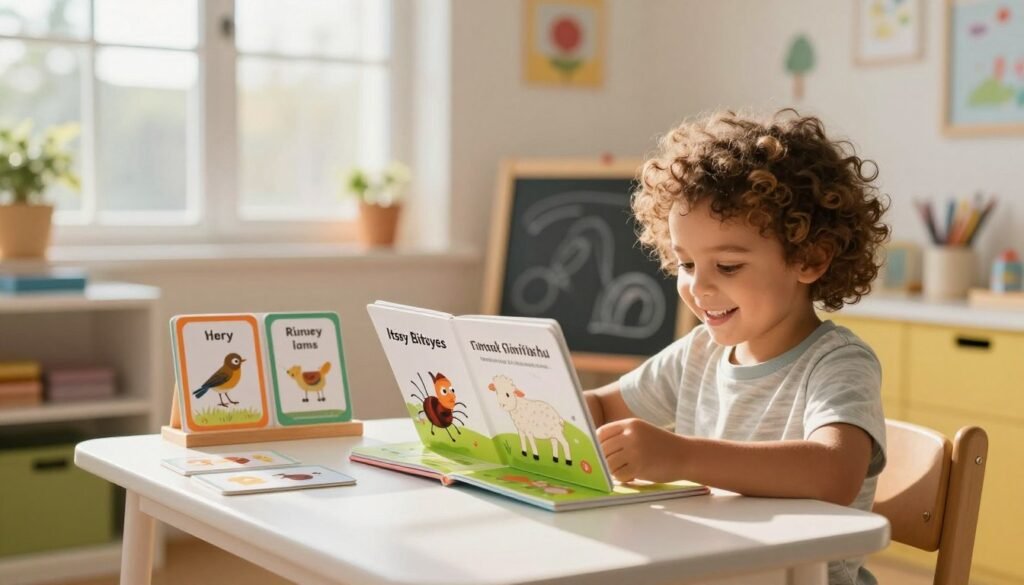
Repetition acts as a secret engine driving early childhood development forward. When children engage with the same stories or songs, they are not just being entertained; they are actively building neural pathways. This consistent exposure is a fundamental pillar of repetition in learning that helps young minds process information more effectively.
How Repetition Strengthens Memory
When a child hears a familiar rhyme, their brain begins to anticipate the next sequence of events. This process of prediction is a vital exercise for memory retention. By revisiting the same content, children move from passive listening to active participation.
This cycle of engagement helps solidify language patterns and vocabulary. As they recognize recurring sounds, they gain a deeper understanding of how language is structured. This is a key step in reaching important child development milestones during their formative years.
“Repetition is the mother of learning, the father of action, which makes it the architect of accomplishment.”
Building Confidence Through Familiarity
There is a unique sense of pride that blooms when a child can recite a line before it is even spoken. This familiarity creates a safe space for them to experiment with speech and rhythm. When they know what comes next, they feel empowered to join in, which significantly boosts their self-esteem.
Parents can use this natural desire for consistency to foster a love for reading. By keeping favorite books and songs in the rotation, you provide a stable environment for growth. The following table highlights how repeated engagement supports various developmental areas.
| Developmental Area | Benefit of Repetition | Outcome |
|---|---|---|
| Cognitive | Pattern recognition | Improved memory |
| Language | Vocabulary reinforcement | Better speech fluency |
| Emotional | Predictable routines | Increased confidence |
| Social | Shared experiences | Stronger parent-child bond |
Conclusion
Integrating the Best Kids Stories & Nursery Rhymes | Bird, Lamb & Itsy Bitsy Spider into your daily routine offers lasting benefits for your child. These timeless classics provide a solid foundation for cognitive growth and emotional intelligence.
You help your little one develop essential language skills by sharing these rhythmic tales. Every verse creates a bridge between parent and child that strengthens your unique bond.
Choosing high-quality content ensures your child receives positive messages about nature and perseverance. You create a supportive environment that fosters natural curiosity when you prioritize these meaningful interactions.
Music and movement turn simple moments into lasting memories. Your active participation makes these stories come alive in your living room.
We hope this guide empowers you to make the most of these wonderful resources. Enjoy the journey of early childhood as you explore these songs and stories together every single day.
FAQ
Why are nursery rhymes so important for developing language skills for toddlers?
Nursery rhymes are essential tools for early literacy because they introduce children to phonological awareness. By hearing rhythmic patterns and rhymes, toddlers learn to recognize phonemes and expand their vocabulary. This foundational experience makes it much easier for them to transition into reading and writing later in their child development milestones.
Where can I find engaging bird songs for children to support nature-based learning?
You can explore wonderful avian-themed content on YouTube, such as this specific bird story at https://www.youtube.com/watch?v=4Qn3eR8KfsM. These videos capture a child’s imagination while helping them with auditory processing as they learn to mimic the musical sounds and movements of birds in the natural world.
How can lamb nursery rhymes help teach social-emotional learning (SEL)?
Stories about gentle creatures, like those seen on LittleBabyBum (check out https://www.youtube.com/watch?v=5SMum15Hs5E), often focus on themes of kindness and innocence. Parents can enhance this experience through sensory play by using soft props or stuffed animals, which helps children internalize the narrative and develop empathy for others.
What skills does the Itsy Bitsy Spider lesson teach besides resilience for children?
While the story is a masterclass in perseverance, the accompanying hand motions are incredible for developing fine motor skills and hand-eye coordination. This classic rhyme, a staple on channels like Super Simple Songs (see https://www.youtube.com/watch?v=u4raVGYEfiA), provides a multisensory learning experience that helps children stay engaged and active.
How can I use educational nursery rhymes to improve my child’s executive function?
Integrating music into toddler learning routines helps create a predictable schedule. By using specific rhymes to transition between activities, such as moving from playtime to lunch, you help your child manage their expectations and build emotional regulation. This rhythmic approach provides a sense of security throughout the day.
What should I look for when selecting high-quality kids videos to ensure a healthy balance?
It is best to choose slow-paced and educational content rather than over-stimulating media. Look for videos that encourage active play and curiosity, like those found on PBS Kids. Balancing screen time with physical movement ensures that digital interaction remains a positive supplement to your child’s real-world exploration and digital citizenship.
Why is repetition in learning so vital for a child’s cognitive growth?
Repetition is a fundamental pillar of learning because it strengthens the neural pathways associated with memory. When a child hears the same story or song repeatedly, it builds confidence and allows them to practice rote learning in a fun, stress-free way. This familiarity helps them feel successful as they begin to predict what happens next in their favorite stories.